
If your furnace is on its last legs, the first real decision is whether to replace it with another furnace or switch to a heat pump. In the Willamette Valley the answer is a heat pump more often than not, but not always. Here's how to think it through.
What each one actually does
A furnace makes heat by burning gas or running electric resistance coils. A heat pump doesn't make heat. It moves heat from outside air into your house in winter, and moves heat out of your house in summer. That's why one system can heat and cool, and why it can deliver more heat than the electricity it uses.
The valley climate favors heat pumps
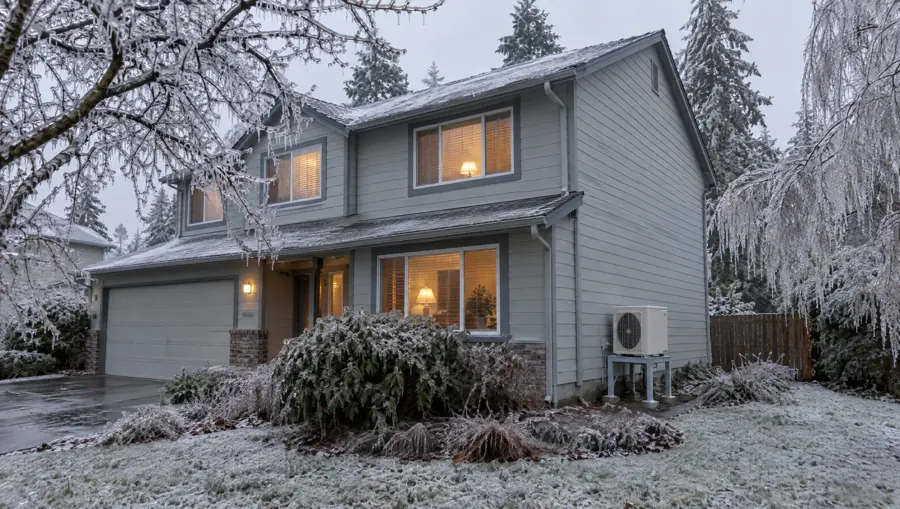
Heat pumps are most efficient in mild cold, and that's exactly what Salem, Portland and the mid valley get most of the winter. Days in the 30s and 40s are the sweet spot. Modern cold-climate models keep heating well below freezing, which covers the handful of hard cold snaps and east wind events we see.
When a heat pump is the clear win
- You heat with an electric furnace or baseboard. A heat pump uses a fraction of the electricity for the same heat.
- You want AC anyway. A heat pump gives you cooling without a second system.
- Your AC and furnace are both old. Replacing both with one heat pump is usually simpler.
- You're a landlord and the rental incentive is still open.
When a new furnace can still make sense
- Your furnace died but your AC is fairly new, and you're not ready to replace both.
- Your ducts or electrical panel need major work and budget is tight this year.
- You live somewhere with frequent deep cold and no plan for backup heat.
The middle option: dual fuel
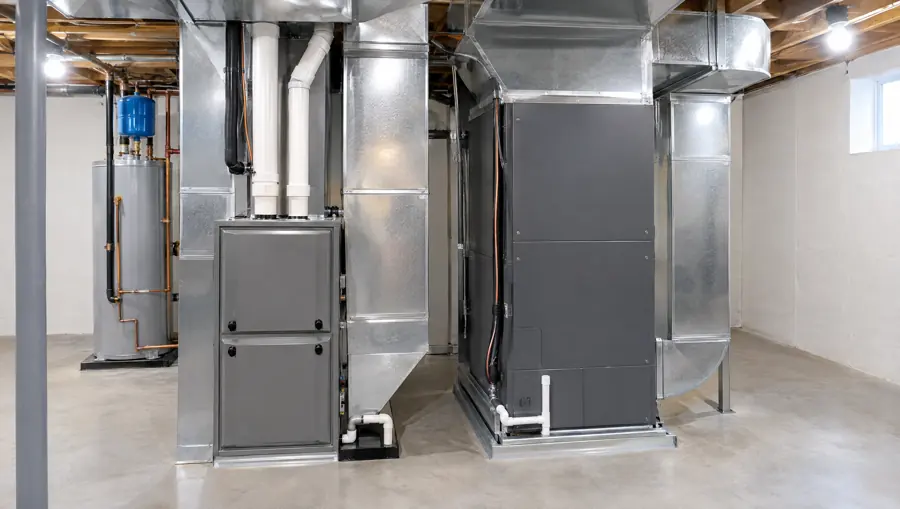
Dual fuel pairs a heat pump with a gas furnace. The heat pump handles most of the year, and the furnace kicks in only on the coldest days. It's a good fit for Gresham and other spots that catch Gorge winds, or for anyone who wants gas as a safety net. More on dual fuel.
Operating cost
Whether a heat pump beats gas on your monthly bill depends on your gas and electric rates, how well the house holds heat, and the efficiency of the equipment. A good quote shows estimated operating cost for both options, not just install price. If yours doesn't, ask for it.
The bottom line
For most valley homes, especially ones on electric heat or needing AC, a heat pump is the better long-term system. If you're on gas and want a backup, dual fuel gets you most of the benefit. Either way, get both options priced side by side.
Get a clear price on a new system.
Free in-home quotes from Oregon CCB-licensed installers.
Get a free quoteKeep reading